What Are Green Buildings and ESG in Real Estate?
Summary
India Emerges as a Global Leader in Green Buildings


Green Buildings in India
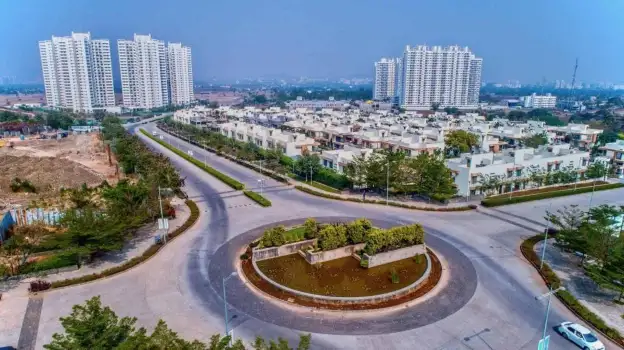
India has rapidly climbed the global rankings in sustainable real estate. The country now has over 19,000 green building projects covering more than 15.7 billion square feet, making it one of the largest green building markets globally.
In addition, India ranked second globally in LEED-certified real estate space in 2025, with more than 7,500 certified projects, highlighting the scale at which sustainability is being adopted.
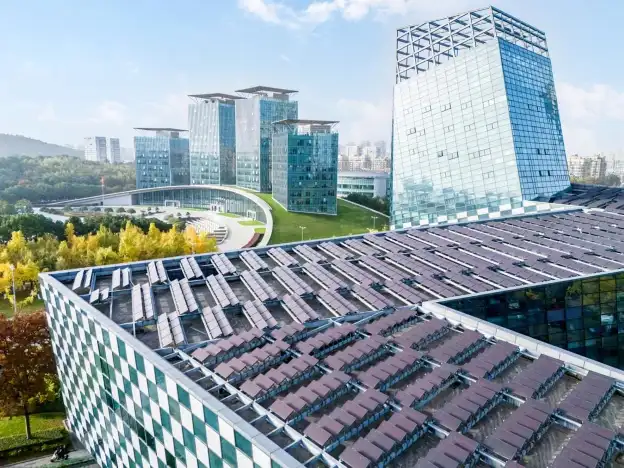
Green buildings are designed to reduce energy consumption, conserve water, minimise waste, and improve indoor environmental quality. Compared to conventional structures, they can significantly cut emissions and operating costs across their lifecycle.
ESG Compliance Moves to the Core of Real Estate Investment
ESG compliance has moved beyond a voluntary framework to become a central requirement for capital allocation. Institutional investors including private equity funds and sovereign wealth funds are increasingly prioritising ESG-compliant assets.
Data indicates that ESG-driven real estate investments in India rose sharply, with deal participation increasing from 5% in 2021 to 13% in 2022, alongside a 2.4x increase in deal value to nearly $7.9 billion.
This shift is being reinforced by regulatory changes. The Securities and Exchange Board of India (SEBI) now mandates ESG disclosures for the top listed companies, improving transparency and investor confidence.
As a result, ESG is no longer a peripheral consideration, it directly influences asset valuation, tenant demand, and exit opportunities.
Green Premium: Higher Rents, Better Occupancy


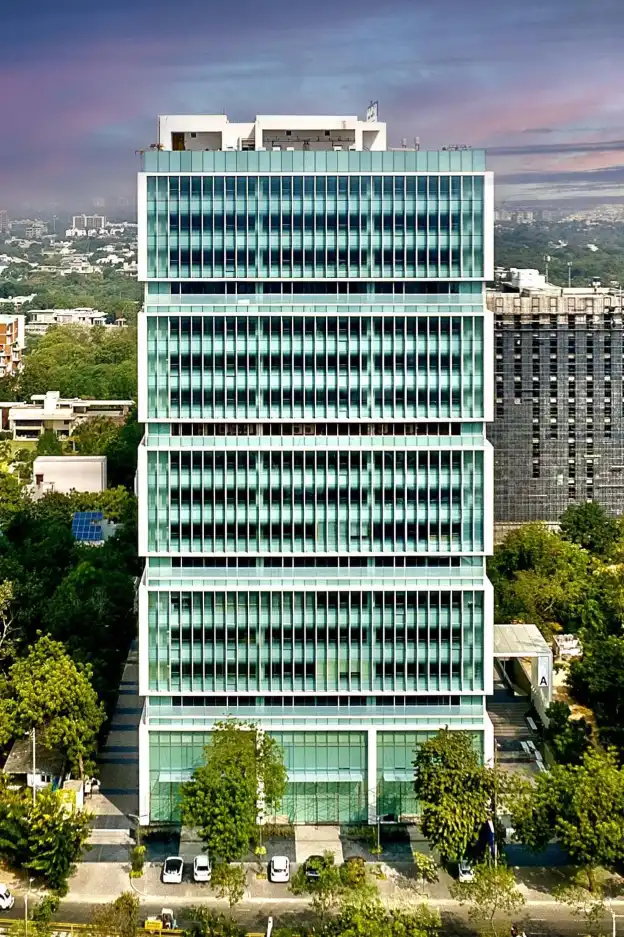


Market data shows that sustainability is increasingly linked to financial performance. Studies of green-certified office assets in India indicate that such properties command rental premiums of 4% to 21% compared to non-certified buildings.
Developers and consultants also point to lower operating costs, often 15-30% savings in energy consumption, which enhance long-term returns.
This has created a divergence in the market. Green assets are attracting stronger tenant demand, particularly from multinational companies with ESG mandates, while non-compliant or “brown” buildings risk obsolescence over time.
Policy Push and India’s Net-Zero Commitments
India’s sustainability push is closely aligned with its broader climate commitments. The country aims to achieve net-zero emissions by 2070 and reduce carbon intensity by 45% by 2030, prompting developers to adopt green construction practices.
Government-backed frameworks such as:
- Energy Conservation Building Code (ECBC)
- IGBC and GRIHA certification systems
- State-level incentives for green projects
are accelerating adoption across residential, commercial, and industrial segments.
The integration of renewable energy is also critical. India’s solar capacity has crossed 150 GW as of 2026, enabling buildings to increasingly incorporate clean energy solutions.
ESG Expands Beyond Environment to Governance and Social Impact
While environmental metrics dominate the conversation, ESG in real estate extends beyond sustainability.
Governance standards, such as regulatory compliance, transparency, and ethical project execution are becoming key for attracting institutional capital. At the same time, the social component is gaining traction, particularly in large developments that emphasise:
- Community infrastructure
- Health and wellness design
- Inclusive urban planning
This broader ESG framework is reshaping how projects are conceptualised, not just how they are built.
Conclusion
Green buildings and ESG compliance are no longer niche concepts in India’s real estate sector. They are redefining how assets are designed, financed, and valued.
With India’s real estate market projected to cross $1 trillion by 2030, sustainability is set to play a defining role in its next phase of growth.
As regulatory frameworks strengthen and investor expectations evolve, developers who prioritise ESG will likely gain a competitive advantage—while those who do not risk falling behind in an increasingly sustainability-driven market.