How Will the US-Iran Ceasefire Impact the Markets?

Summary
The temporary ceasefire between the United States and Iran has triggered an immediate reaction across global financial markets. Oil prices have corrected after pricing in supply disruptions, equities have rallied on easing inflation concerns, while gold continues to hold firm, reflecting persistent uncertainty. The development is also influencing capital allocation across alternative asset classes as investors reassess risk and liquidity.


Markets React to Ceasefire
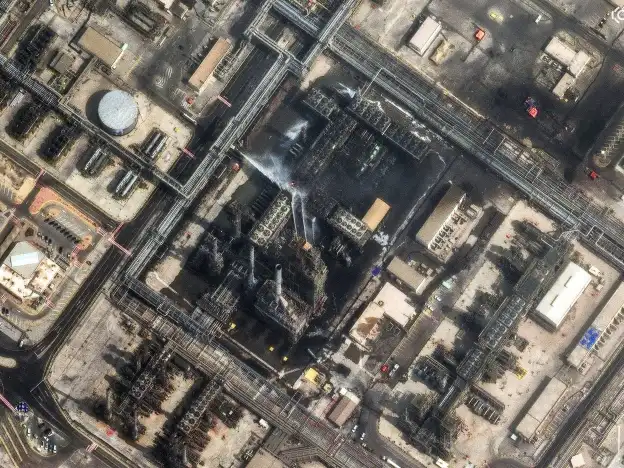
The announcement of a ceasefire between the US and Iran has led to a swift repricing of geopolitical risk across global markets. Crude oil, which had surged on fears of a prolonged disruption in the Strait of Hormuz, has declined sharply, with Brent retreating toward the $90–95 per barrel range. The correction reflects the unwinding of a conflict-driven risk premium rather than a fundamental easing of supply conditions.
Equity markets have responded positively, particularly in emerging economies such as India, where lower crude prices directly influence inflation and current account stability. Sectors sensitive to fuel costs—including aviation, logistics and oil marketing companies, have seen immediate gains. The broader rally, however, remains sentiment-driven, as investors factor in the possibility that energy-led inflation may not escalate in the near term.
Read more: Hormuz & The Rupee: The Macro-Mechanics of an Oil Shock.
Oil Markets Remain Tight Despite Price Decline
Despite the drop in oil prices, underlying supply dynamics remain tight. The Strait of Hormuz continues to be a critical chokepoint for global energy flows, accounting for a significant share of seaborne crude trade. While the ceasefire reduces the likelihood of immediate disruption, tanker movement and shipping costs have not fully normalised. Physical oil markets, particularly in the Middle East, continue to reflect tightness, suggesting that volatility in crude prices is far from over. Market participants expect oil to trade within a wide range in the near term, with any breakdown in negotiations likely to trigger a sharp rebound.
Gold prices have provided a contrasting signal. Instead of declining alongside geopolitical tensions, the metal has held firm and, in some instances, moved higher. This reflects continued demand for safe-haven assets amid lingering uncertainty around inflation, currency stability and the durability of the ceasefire itself. Central bank accumulation and institutional flows into gold-backed instruments have further supported prices, indicating that investors are hedging against the possibility of renewed instability.
Bond Yields Ease and Currency Markets Stabilise
In fixed income markets, US Treasury yields have softened slightly following the announcement, as immediate inflation concerns ease. The US dollar, which had strengthened during the escalation phase, is showing mixed movement as investors rebalance portfolios. For emerging markets, including India, a sustained decline in oil prices could provide currency stability and reduce imported inflation pressures, though this depends heavily on the ceasefire holding.
Alternative Assets See Renewed Interest Amid Portfolio Rebalancing
The impact is also visible across alternative asset classes. Cryptocurrencies have tracked the broader risk-on sentiment, with assets like Bitcoin and Ethereum moving higher alongside equities, though they continue to function as partial hedges in uncertain environments. Real assets, including real estate and infrastructure, are seeing renewed investor interest as capital seeks stability beyond traditional financial instruments.
Historically, periods of geopolitical stress in the Middle East have resulted in capital being redirected into tangible assets across relatively stable markets. Early indications suggest a similar pattern may be unfolding, with individuals exploring diversified exposure rather than concentrated bets. In this context, newer structures are also gaining relevance. Platforms such as Estates by Per Annum reflect a broader shift in how individuals access real estate, offering structured participation in income-generating assets without requiring full ownership, particularly at a time when capital preservation and flexibility are key considerations.
Read more: 5 Best Alternative Investment Options in India
Outlook Remains Cautious as Geopolitical Risks Persist
The ceasefire has reduced the probability of an immediate supply shock, but it has not eliminated the underlying risks that had driven volatility in the first place. Energy security concerns, inflationary pressures and geopolitical uncertainty continue to shape market behaviour. Over the near term, the trajectory of oil prices, shipping activity through critical routes, and diplomatic progress between the two nations will remain the primary drivers of global financial markets.
From an investment perspective, the current environment reflects cautious optimism. Markets have moved away from worst-case scenarios, but positioning remains defensive. The persistence of elevated gold prices alongside a rally in equities highlights a market that is stabilising, yet not fully convinced.