How Will the Delhi-Dehradun Expressway Impact Property Prices in NCR and Uttarakhand?

Summary
A ₹12,000 Crore Corridor Set to Redefine Connectivity
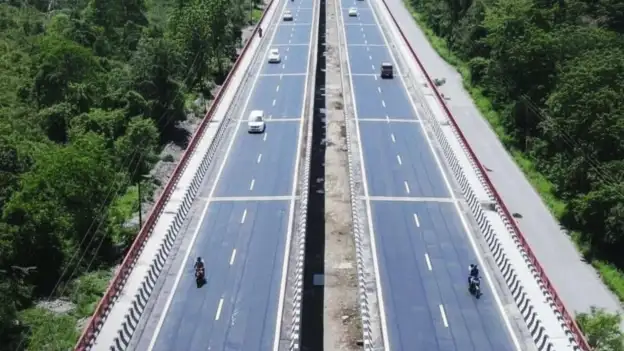
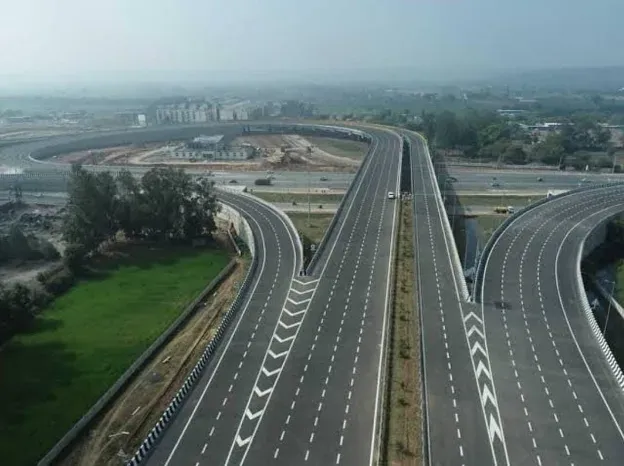
The Delhi–Dehradun Expressway is one of the most significant infrastructure projects currently underway in North India. Spanning over 210 kilometres, the six-lane highway is designed to improve connectivity between Delhi, western Uttar Pradesh, and Uttarakhand.
The project is being executed in phases and is expected to be fully operational in 2026. Once completed, travel time between Delhi and Dehradun will reduce to approximately 2.5 hours, a shift that is already influencing how real estate markets along the corridor are being evaluated.
Infrastructure-led real estate cycles in India typically begin with speculative interest, followed by gradual end-user demand. Market observers suggest that the expressway corridor is currently in the early phase of this cycle.
NCR Markets See Early Price Appreciation
In Delhi-NCR, the impact is most visible in eastern and north-eastern pockets such as Loni, Tronica City, and areas along the Baghpat corridor.
According to local brokers and property consultants:
- Land prices in parts of Loni and Tronica City have risen by 10-20% over the past 12-18 months
- Plotted developments along the expressway alignment have seen increased inquiries, particularly from investors
Despite this, transaction volumes remain relatively modest, indicating that the market is still driven more by expectations than by end-user demand.
Western Uttar Pradesh Records Rising Land Interest
Further along the corridor, cities such as Baghpat, Shamli, Muzaffarnagar, and Saharanpur are witnessing a gradual uptick in real estate activity.
Industry estimates indicate:
- Land prices near key highway junctions have increased by 15-30% in select pockets since project announcements
- Developer interest in logistics parks and warehousing has grown, driven by improved connectivity
The expressway’s integration with existing freight and industrial networks is expected to support long-term demand, particularly in logistics and manufacturing-linked real estate.
Dehradun Sees Surge in Second-Home Demand
Dehradun is emerging as a key beneficiary of the expressway, particularly in the second-home and lifestyle housing segments.
With travel time reduced significantly, the city is increasingly being viewed as a weekend destination for Delhi-NCR residents.
Recent market data suggests:
- Demand for second homes in Dehradun has increased by over 40% in the past two years
- Land and villa prices in premium locations have seen appreciation in the range of 20-35%
Developers have responded with new launches, particularly in gated villa communities and plotted developments near key access points.
Price Growth Remains Uneven and Linked to Execution
While early price appreciation is visible, experts caution that growth will not be uniform across the corridor.
Key factors influencing price trends include:
- Proximity to expressway interchanges
- Availability of civic infrastructure
- Development of employment hubs
- Actual completion timelines of the project
Markets that combine connectivity with social and economic infrastructure are likely to see sustained appreciation, while purely speculative locations may experience slower growth.
Conclusion
The Delhi–Dehradun Expressway is already influencing real estate markets, even before full completion. Rising land prices, increased investor interest, and growing demand for second homes indicate the beginning of an infrastructure-led growth cycle.
However, the extent of long-term impact on property prices will depend on execution, connectivity integration, and the pace at which these regions transition from speculative investment zones to end-user-driven markets.