How Airbnb Started: From a $40 Air Mattress to a $100 Billion Empire
Summary
How Airbnb was founded is quite possibly one of the most unlikely origin stories of any major modern business and if you are researching for any Airbnb India possibilities or news, reading this origin story will totally reshape your idea of any Airbnb opportunity.
San Francisco, 2007
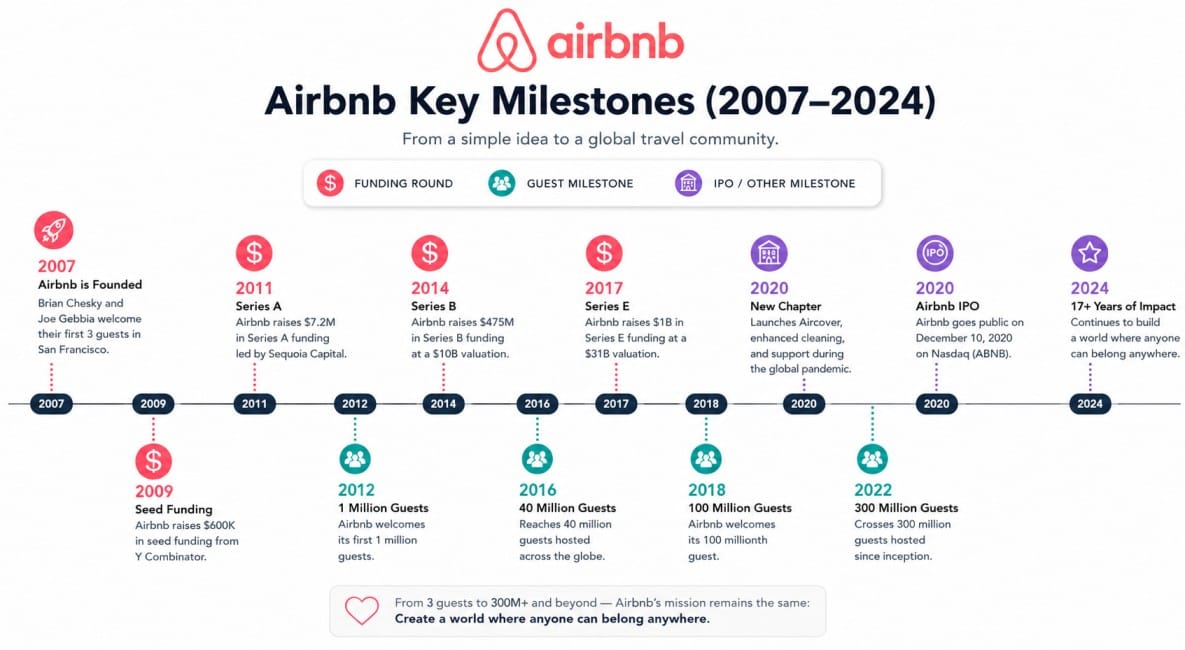
It was October 2007 and Brian Chesky and Joe Gebbia have recently relocated to San Francisco, can't afford their rent, there's a major design conference coming up, all hotels in the city are booked and the two have a humble (if embarrassing) idea, let's inflate three air mattresses in the living room and sell beds to the conference goers at $80 a night, including a homemade breakfast.
They'd dubbed it "Air Bed & Breakfast."
Three customers arrived that weekend, and Brian and Joe made $1,000 from their living room! The foundation for one of the world's most valuable companies was laid out on the floor of a cluttered San Francisco apartment.
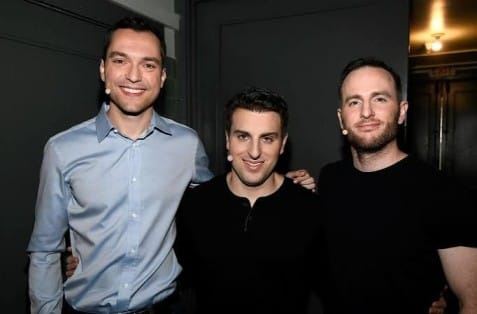
Meet the Three Co-Founders
Before diving deeper into the story, here's who built Airbnb and what titles they hold:
| Name | Title | Role |
|---|---|---|
| Brian Chesky | CEO (Chief Executive Officer) | Overall company vision, strategy, and public face of Airbnb. He sets the direction of the business and is the decision-maker at the top. |
| Joe Gebbia | Co-Founder (formerly CPO) | Co-created the original concept and led product and design for years. He stepped back from day-to-day operations in 2022 but remains a board member and major shareholder. |
| Nathan Blecharczyk | Co-Founder & CSO (Chief Strategy Officer) | The technical brain behind the original platform. Now focuses on long-term strategy, data, and Airbnb's China business. Previously served as CTO. |
Note: Airbnb's current CFO (Chief Financial Officer) is Ellie Mertz, who has led the company's financial operations since 2021, navigating it through post-IPO growth and profitability milestones.
2008: Rejection, Cereal Boxes, and Survival
After the first test, Chesky and Gebbia persuaded a third co-founder to join them. He was Nathan Blecharczyk, a Harvard-educated software engineer. However the project went nowhere and the investors described it as a 'party trick'. Seven VCs turned them down and the co-founders were left with maximised credit cards and very little remaining runway
In a now-legendary act of hustle, they created limited-edition cereal boxes, "Obama O's" and "Cap'n McCain's" tied to the 2008 U.S. presidential election. They sold 500 boxes at $40 each, raised $30,000, and bought themselves just enough time to survive.
The stunt gained attention, however, and Y Combinator (Silicon Valley's premier startup accelerator) took them on in early 2009. The founder of Y Combinator, Paul Graham, would later consider it one of his "biggest lessons ever" about not judging ideas too soon.
2009–2011: The Real Turning Point
Following YC, the startup raised $600K in seed rounds from top angels. Next, Sequoia Capital led a $7.2M Series A round in 2011. The service took off in the U.S. And then rapidly grew globally, gaining early traction in Europe and laying the groundwork for a future powerhouse in the Airbnb India market.
So, what set them apart from all the copycat platforms? The co-founders flew to New York and knocked on every host's door, coaching them on how to take better photos and improving their copy. Their laser-like focus on the host and quality of listings allowed them to differentiate themselves from a bunch of knock-off platforms that failed.
How Airbnb Works: Guest vs. Host Breakdown
| Feature | For Guests | For Hosts |
|---|---|---|
| Primary action | Search, book, and stay | List, manage, and earn |
| Pricing | Transparent nightly rates | Hosts set their own price |
| Trust system | Verified profiles + reviews | Guest identity verification |
| Protection | Secure platform payments | $3M AirCover damage protection |
| Insurance | N/A | $1M host liability insurance |
| Support | 24/7 in 11 languages | 24-hour safety line |
| Platform fee | Small guest service fee | Small host service fee |
The $100 Billion IPO ( During a Pandemic)
It was in December 2020, the same year when Covid-19 had literally decimated international travel. The shares for Airbnb soared by 113 percent on the first day of the trade and the company was valued at more than 100 billion USD. It was indeed one of the largest ever US IPOs and spoke to the world at large. This was not just a passing phase but a sustained new way to travel and make money, which was popularly called the sharing economy.
Today, Airbnb has over 5 million hosts and has welcomed over 2 billion guest arrivals all across more than 220 countries. The recent Airbnb news has highlighted its consistent growth in the emerging markets and the biggest one being Airbnb India.
What This Means for You (Especially in India)
The founding story of Airbnb isn't just a tale to remember; it is a template to replicate. Three roommates, sleeping in spare rooms, offering real local living and the faith in each other built a 100 billion-dollar enterprise. This same possibility is now readily available to Indian hosts-from the beaches of Goa, coffee-plantations of Coorg, to the mountains of Manali, forts of Jaipur, and even further.
Whether you're following Airbnb news as investment leads, studying where Airbnb India's market is booming, or trying to gauge if a home would be profitable to list on Airbnb-there's one lesson that stands out from the founding story: Airbnb thrives when people truly value the customer experience.
It all started in a San Francisco apartment in 2007; it continues even today.
Now that you know how Airbnb started, the next step is learning how to build your own piece of it.
Continue Reading (The Complete Airbnb India Series)
- How to Start an Airbnb Business in India in 2026 , Your step-by-step hosting guide
- Best Places to Invest in India for Airbnb in 2026 , Top cities and hill stations ranked by ROI
From a $40 air mattress experiment to one of the most transformative companies ever built how Airbnb started is a reminder that the best businesses begin not with funding, but with a genuine problem, a scrappy solution, and the stubbornness to keep going.