Why Investors Prefer Under-Construction Properties in Real Estate
Discover why investors prefer under-construction projects in real estate. Explore the benefits, risks, RERA's impact, and expert insights on long-term returns and flexibility in property investment.
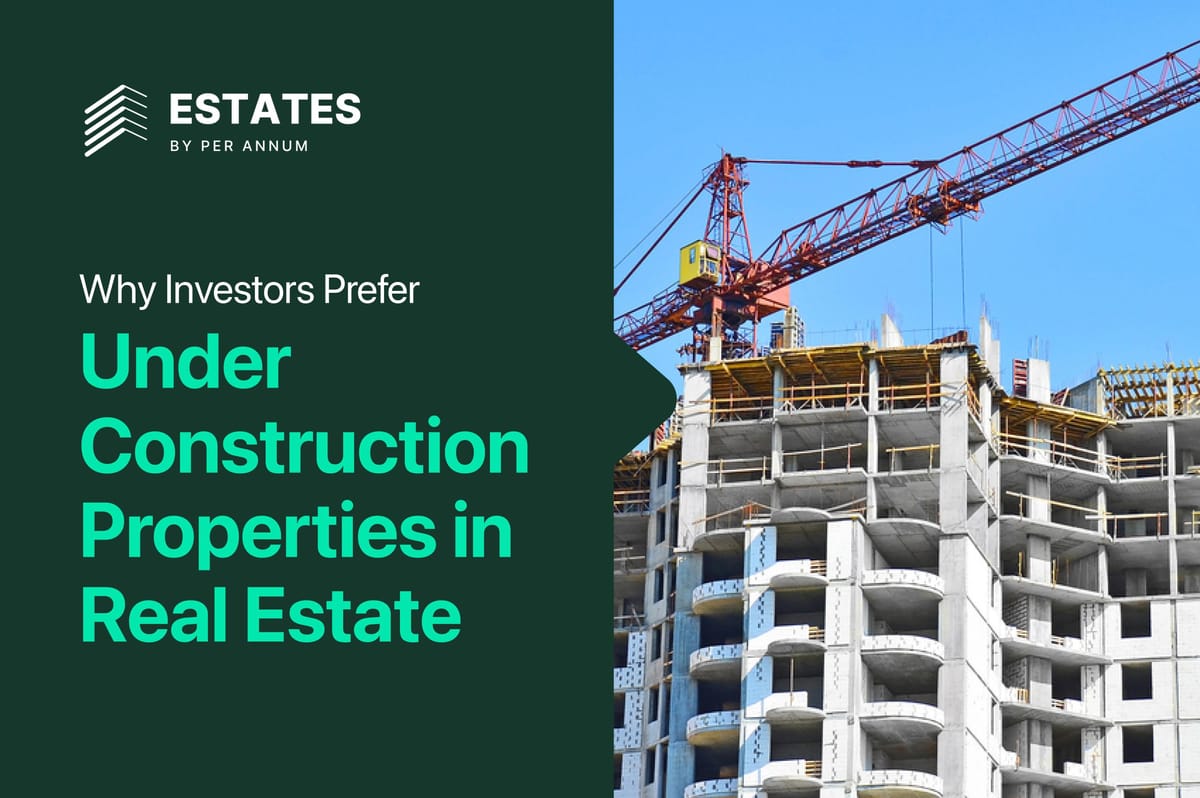
In the dynamic world of real estate, timing and foresight play a critical role in generating strong returns. One trend that continues to gain traction in investing is under-construction properties. With lower entry costs, flexible payment plans, and the potential for high appreciation, under construction projects offer compelling benefits for investors.
However, these advantages must be weighed against common risks like delays and quality assurance.
Why Under-Construction Properties Appeal to Investors?
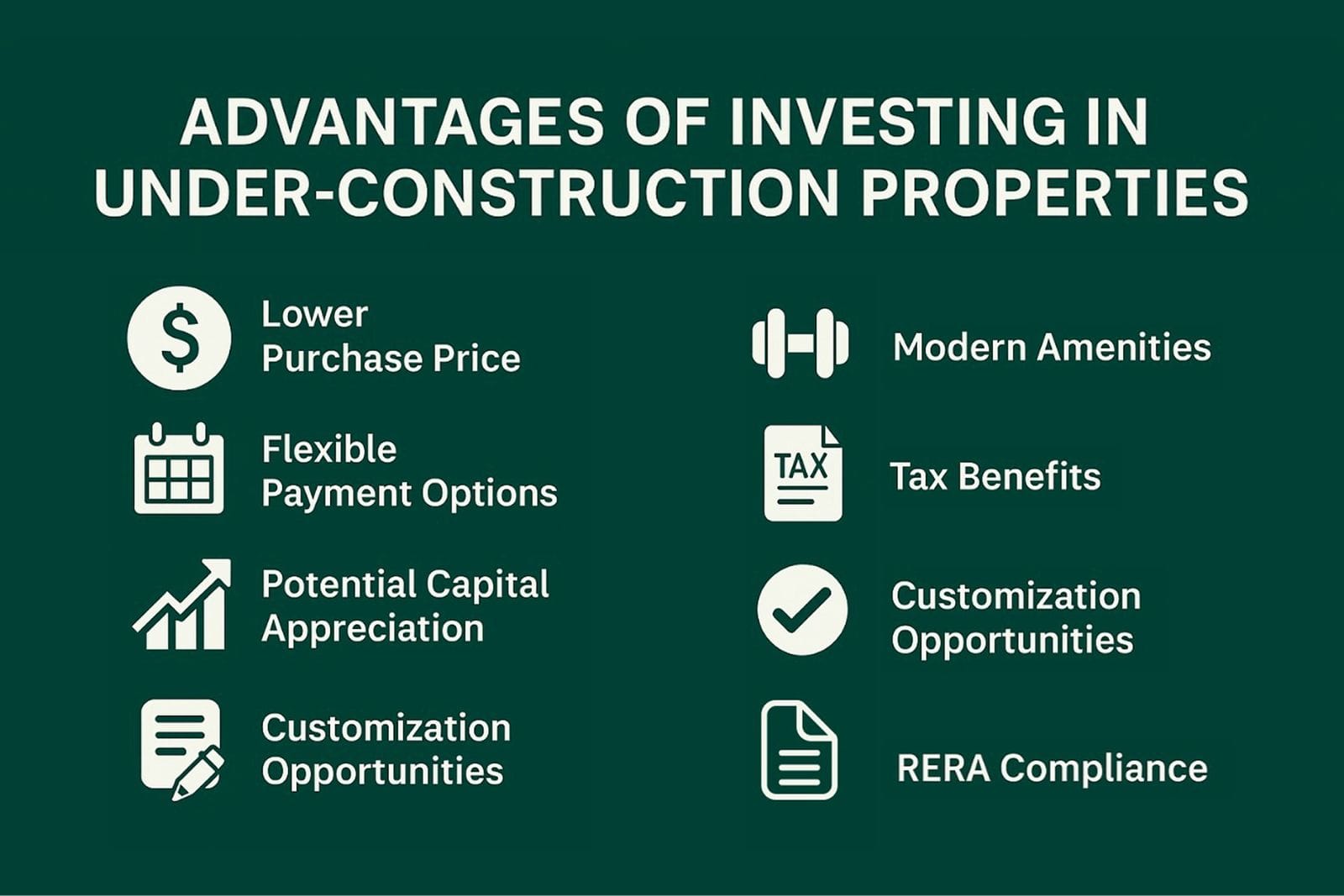
Under-Construction properties present a compelling opportunity for both end-users and investors. They are often priced lower than ready-to-move-in homes and come with flexible payment plans and better appreciation potential. Let's dive into the key benefits first.
Advantages of Investing in Under-Construction Properties
Risks Involved in Under-construction property Investment
While the potential rewards are attractive, under-construction properties also carry certain risks that investors must consider.
- Project Delays: One of the biggest concerns is construction delays due the funding issues, labour shortages, or regulatory complications.
- Quality Assurance: Since you're buying something that doesn't physically exist yet, there's a risk the final output may not match expectations or promised specifications.
- Builder Reliability: The credibility and track record of the builder matter greatly. Choosing developers with consistent delivery history reduces risk.
- Regulatory and Legal Issues: Issues such as unapproved layouts, incomplete documentation, or unclear land titles can result in project cancellations or legal troubles.
A Shift in Market Demand and Investor Sentiment
In the post-pandemic market, there's a clear shift toward long-term investment thinking. Buyers are increasingly comfortable with delayed gratification in exchange for higher-value. Under-construction projects, especially from branded developers, are seen as opportunities to own prime property at better prices.
Factors driving this shift:
- Increasing transparency due to RERA.
- Competitive pricing from developers
- Demand for modern layouts and new amenities.
Best Practices for Buying Under-Construction Properties
Investing in an under-construction property requires careful evaluation. Follow these smart buyer tips to minimize risks:
- Check Developer Reputation: Look into past project delivery and customer feedback.
- Verify Legal Documents: Cross-check land ownership, approvals, and construction licenses.
- Confirm RERA Registration: Always buy from projects listed on your state’s RERA portal.
- Assess Project Location: Proximity to transit, infrastructure, and job hubs boosts value.
- Understand Payment Plans: Ensure clarity on construction-linked schedules and hidden charges.
- Check Construction Progress: Visit the site regularly or review updates shared by the builder.
- Evaluate Financial Strength: Only invest with builders who have a clean financial track record.
- Explore Exit Options: Know if and how you can resell or transfer the property during construction.
The Role of RERA in Safeguarding Under-Construction Investments
The introduction of the Real Estate (Regulation and Development) Act, 2016 (RERA) has changed the landscape for under-construction investments by increasing accountability and reducing fraud.
Key protections offered by RERA:
- Mandatory registration of all under-construction projects.
- Developers must disclose project timelines, layouts, and approvals.
- Buyers can track progress through the RERA portal.
- Builders are penalized for delays.
- 70% of collected funds must be kept in an escrow account for project use only.
Frequently Asked Questions (FAQs)
Q1. Is it safe to invest in under-construction properties?
Yes, especially if the project is RERA-registered and backed by a credible developer.
Q2. Can I sell an under-construction property before taking possession?
Yes, but this depends on your builder agreement and applicable state regulations.
Q3. Are under-construction properties more profitable than ready-to-move ones?
Generally, yes. They offer higher capital appreciation over time if chosen wisely.
Q4. What tax benefits are available?
Interest paid during the construction phase is deductible post-possession over five years.
Q5. How can I check if a project is RERA-approved?
Visit the official RERA portal for your state and search using the developer or project name.