What Is a Freehold Property in India? Pros, Cons & Buying Guide
When you begin exploring real estate in India, one of the first terms you will encounter is freehold property. Whether you are buying a home for personal use or investing for long-term appreciation, the nature of land ownership determines how secure your rights are, how easily you can sell later, and how much the property will appreciate. Freehold ownership is often considered the gold standard in Indian real estate, but understanding why is important before you decide.
What Is a Freehold Property?
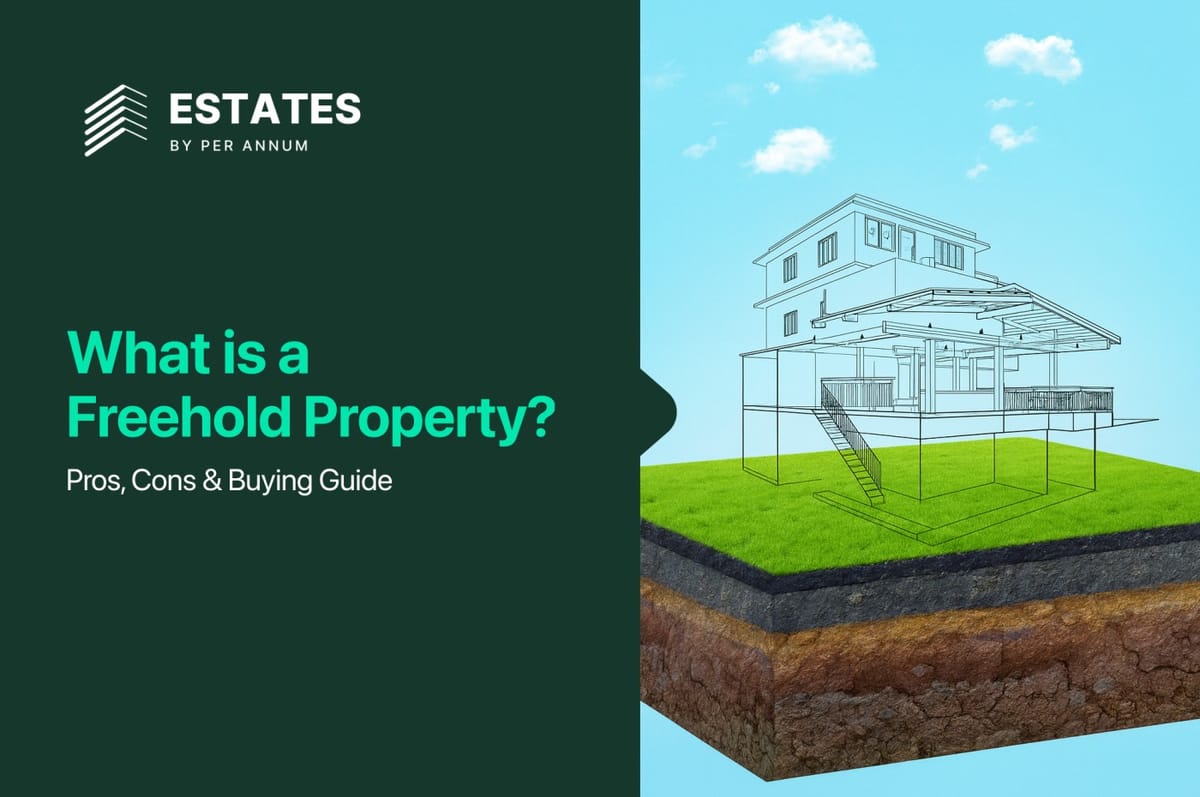
A freehold property is one where the buyer becomes the absolute owner of the land and the structure standing on it. The ownership has no time limit, no annual lease payments, and no dependence on any authority for renewal. Once the sale deed is registered, the property legally and permanently belongs to the buyer and can be sold, transferred, gifted or inherited without seeking permission from an external authority.
The key feature of a freehold asset is that both land and construction become the owner’s permanent rights. There is no concept of expiration, lease tenure, ground rent or renewal charges, all of which are common in leasehold properties.
Why Freehold Matters: Ownership, Control and Security
A freehold title gives you complete control over the property. You are free to modify, renovate or rebuild the structure, subject only to municipal building regulations. This independence makes freehold properties highly desirable among end-users who want long-term stability and among investors who want an asset that can be held, leased or sold without restrictions.
Banks also view freehold properties as safer security for loans. Since the title is perpetual and free from lease-related conditions, lenders find these properties easier to mortgage and recover dues from if needed. In contrast, leasehold properties with short or mid-tenure often face financing challenges, especially when lease periods fall below 30–40 years.
Pros of Buying a Freehold Property
The biggest advantage of owning a freehold property is security. The property belongs to you indefinitely, without dependence on a government authority or development board. It also tends to offer better resale value because most buyers prefer permanent ownership without complications. Banks usually provide quicker and more flexible financing for freehold properties because the risk of future ownership disputes is lower.
Another benefit is the freedom to make structural modifications. As long as approvals are obtained from local authorities, the owner can redevelop, add floors or renovate the property without needing approval from a lessor or authority, which is often mandatory in leasehold developments. Freehold properties also simplify inheritance because the title passes easily to legal heirs.
Cons of Freehold Property
Despite the advantages, freehold properties come with certain challenges. The most obvious one is cost. In most Indian cities, freehold properties are significantly more expensive than comparable leasehold properties because the buyer is acquiring not just the building but also the land.
Another limitation is scarcity. In cities like Delhi, Noida, Navi Mumbai and parts of Gurgaon, much of the land belongs to development authorities like DDA, NOIDA Authority, HUDA or CIDCO, who typically allot land on leasehold terms. As a result, genuine freehold plots or homes in premium areas are both rare and expensive.
Freehold purchases can also attract higher stamp duty and registration charges depending on the state, and the owner becomes fully responsible for compliance, taxes and approvals, responsibilities that in leasehold structures are partially handled by the authority.
Freehold vs. Leasehold: What’s the Real Difference?
Leasehold properties come with a pre-defined tenure usually 30, 60 or 99 years, after which the occupier must seek renewal from the authority. This renewal often comes with charges and conditions. More importantly, the ultimate ownership in a leasehold property always lies with the authority, not with the individual.
Freehold ownership eliminates this uncertainty. There is no tenure limit, no renewal fee, and no dependency on government permissions to transfer or sell the property. This makes freehold a more desirable and stable long-term asset, especially for those who want to secure generational wealth.
Can Leasehold Be Converted to Freehold?
In many Indian cities, conversion is possible. Authorities such as DDA in Delhi, MCG in Gurgaon, GMADA in Mohali, NOIDA Authority and CIDCO periodically open windows allowing leasehold owners to convert to freehold by paying prescribed charges. These may include stamp duty adjustments, conversion fees and penalties for property alterations made without approvals.
Conversion typically boosts the market value of the property and improves liquidity, which is why many homeowners opt for it when planning to sell.
How to Verify If a Property Is Freehold
A buyer should never rely solely on verbal confirmation. The nature of ownership must be checked in the title documents. The sale deed or conveyance deed will clearly state whether the property is freehold. Mutation records, property tax receipts and RERA disclosures also help confirm tenure. If the property is part of a housing society or builder project, the land’s title—freehold or leasehold—will usually be specified in the builder-buyer agreement or allotment letter.
Things to Know Before Buying a Freehold Property
Even though freehold is the safest form of ownership, due diligence is essential. Buyers should examine the title chain, verify mutation records and check for encumbrances to ensure the ownership is uncontested. Land-use classification must also be confirmed; a freehold plot that is categorized as agricultural, for instance, cannot legally be developed without conversion. Buyers should also familiarise themselves with zoning and building regulations because every modification must still comply with municipal laws.
Is a Freehold Property the Right Choice for You?
For most buyers, especially those seeking long-term stability or wanting to pass the property to future generations, a freehold asset is one of the strongest choices. It offers higher appreciation, better resale potential, fewer ownership risks and easier financing. Leasehold properties may be more affordable or better located in certain government-developed areas, but they come with restrictions and long-term uncertainties that many buyers prefer to avoid.